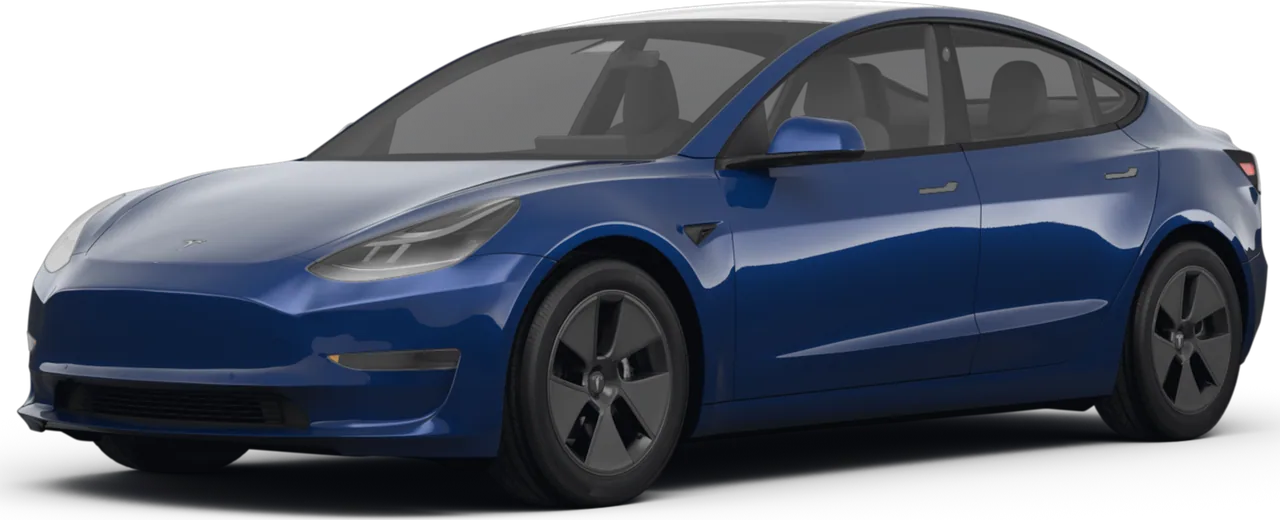
2022 Tesla Model 3 RWD
Electric Sedan · RWD
Based on battery health, build quality, owner data, EPA range, and market pricing
Above average for 2022 EV Sedans (class avg 69 · top 47%)
Personalize this scoreIs a low score bad?
Last scanned 24 days ago
The 2022 Tesla Model 3 RWD puts down 272 miles of EPA range and 250 kW fast charging, and 16 recalls on this make/year mean the seller has to show completed paperwork on the exact VIN.
Score read
A 69/100 makes this a records-first inspection. The useful split is software and driver-assist score at 82/100 versus range and efficiency score at 54/100. On Reddit, owners keep flagging the same two issues: owner satisfaction and software tech. If the seller cannot show recall completion, price that risk or move on.
Price context
Used examples are running around $25,934. Treat that as a budgeting floor, not a final price; pull a current KBB Fair Purchase or Edmunds True Market Value for this exact trim before negotiating.
Who this is for
✓ Good for
- ⏱ Daily commuter ≤50 mi/day, predictable charging
✗ Avoid if you are a
- $ Bargain hunter Best TCO, reliability + low depreciation
Gotchas
- Serviceable Recall paperwork has to match the exact VIN.
Mitigation Use NHTSA and the automaker lookup, then require repair records instead of a verbal promise.
- Built in Range is the easy place to overbuy this trim (54/100).
Mitigation Check your commute, winter margin, and fast-charge plan before you assume the EPA number fits your use.
Pre-purchase inspection
- 1 Run the exact VIN through NHTSA and the automaker recall lookup before discussing price.
- 2 Compare the dashboard range estimate with the EPA 272-mile rating after a full charge.
- 3 Confirm how much of the 8-year/100,000-mile battery warranty remains and whether it transfers.
- 4 If road trips matter, run a short DC fast-charge session and watch whether speed tapers normally.
- 5 Map your normal highway route and winter margin against the EPA range before you treat it as a road-trip car.
VIN status first This model has 16 NHTSA recall records. The exact VIN lookup decides whether the car in front of you is clear.
Complaint context This scan found 737 NHTSA complaint records (7.8 per 10K VINs, near industry average). Read the themes below before treating the raw count as the verdict.
Price anchor Current market range is $22,000-$25,956. Use that range to compare listings for the same trim, mileage, and condition.
Pricing & Market Value
Score Breakdown
What matters most to you?
Drag the sliders to prioritize what you care about. Your TrimIndex Score recalculates instantly.
Vehicle Specifications
EVs at your price point that match or beat this trim
Price-gated peer set: vehicles within $19.2K–$28.8K market value (±20% of $24.0K). 5 outscore · 1 score within ±2. Mixed across makes — no "spend more, score better" comps.
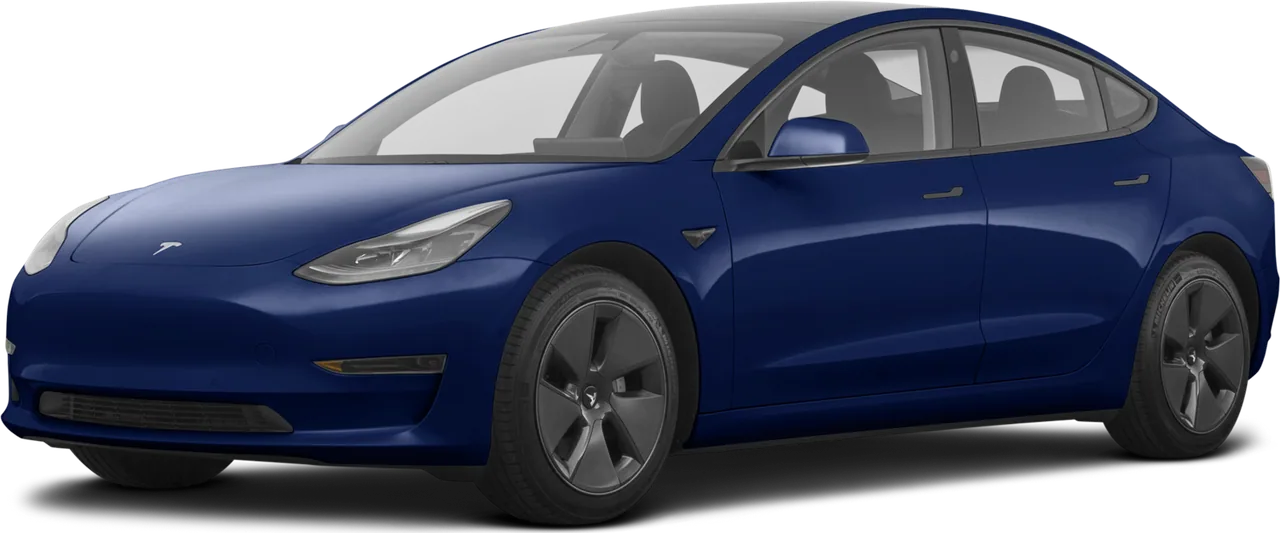
Model 3
- ✓ +81 mi more range
- ✓ Happier owners overall
- ✓ Better build quality
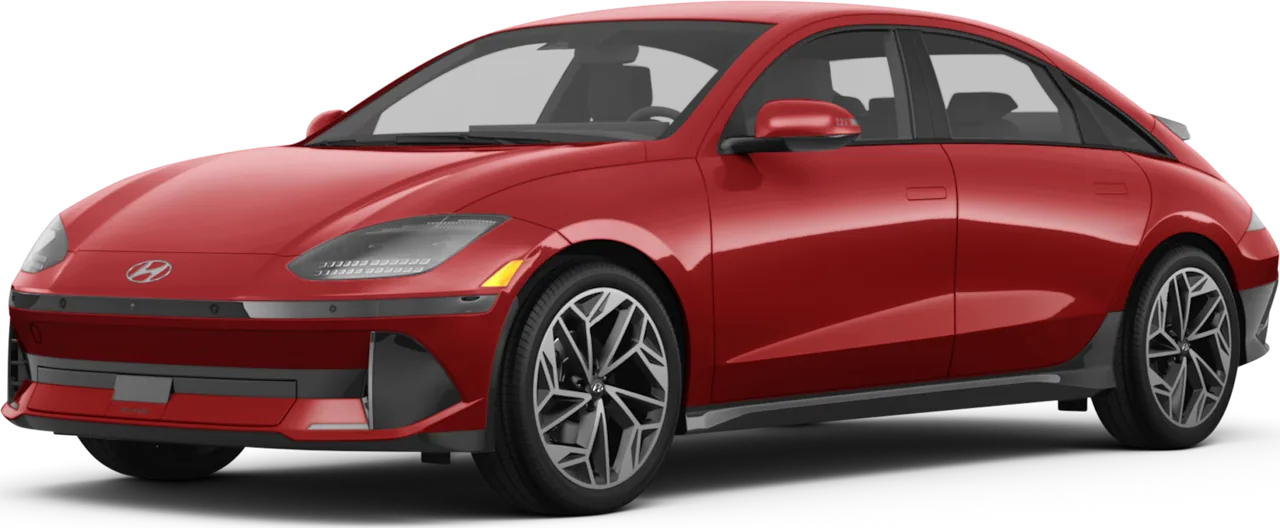
Ioniq 6
- ✓ +89 mi more range
- ✓ Better bang-for-buck
- ✓ Better safety score
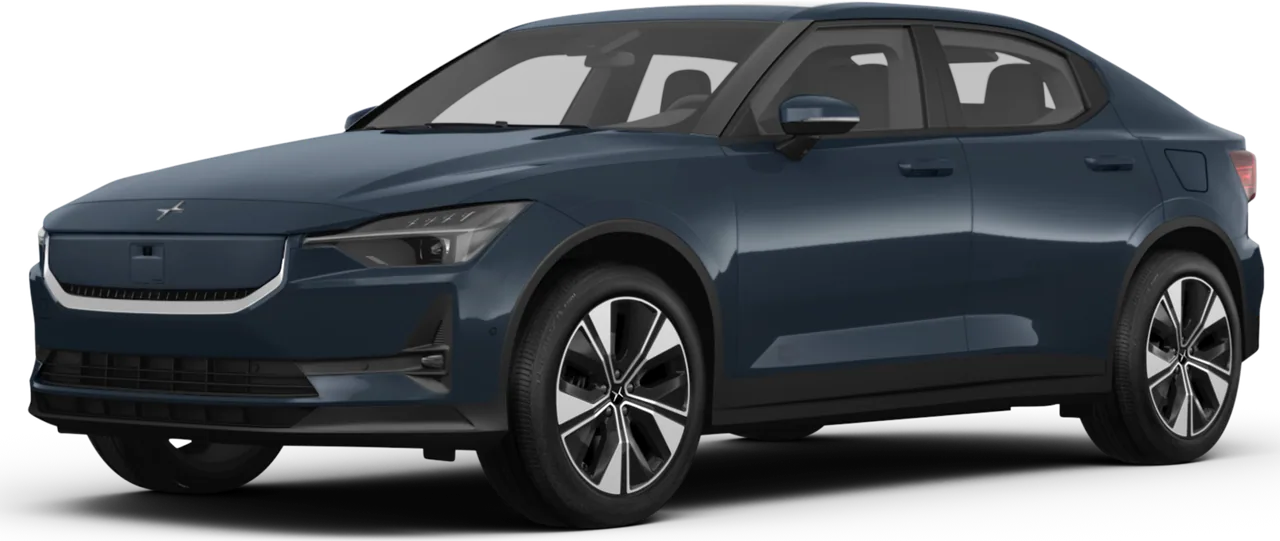
2
- ✓ Notably better build quality
- ✓ +48 mi more range
- ✓ Better bang-for-buck
Ioniq 6
- ✓ Better bang-for-buck
- ✓ +33 mi more range
- ✓ Better safety score
2
- ✓ Notably better build quality
- ✓ Better bang-for-buck
- ✓ Better infotainment UX
Model 3
- ✓ +43 mi more range
- ✓ Better bang-for-buck
The federal $4,000 used-EV credit ended Sept 30, 2025.
But 10 states still run their own used-EV rebate programs — some up to $5,000. Pick your state to see what's available for this trim.
Source & disclaimer
Dealers make ~$7,941 on the average car loan.
After the price is set, the finance manager runs four plays to rebuild margin. Every buyer without a pre-approval is a target. Here's exactly what they run — and what stops each one.
78% of dealer loans carry a hidden +1.13% markup above what the lender actually charges. You never see it — it's buried in the contract. · CFPB
Dealer must match or beat your lender — they can't add margin invisibly. The markup play is dead on arrival.
Once you answer, they stretch the term to hit your number. Median result: $4K less off the price, 12 more months on the loan. · Industry avg
Financing is done. Only the sale price is on the table — and the dealer knows it.
Back-office F&I profit averages $1,975/vehicle, up 8.5% YoY. These products exist — but dealer markup is 4–10x what you'd pay elsewhere. · Dealership Guy
Dealer GAP runs $500–1K. Your insurer sells the same coverage for $100–250 over 5 years. Now you know.
"Your loan fell through — come re-sign." This pulls your APR up +5% on average. It's legal. It works because you've already driven the car home. · Ctr for Responsible Lending
A lender commitment letter means the deal is final. "Pending dealer approval" doesn't apply. You can't be yo-yo'd.
That's 22 months of your car payment — handed to the dealer's finance department for nothing.
Takes 2 minutes. No obligation to use it — but you'll walk in with all the leverage.
Pre-approval is a soft credit inquiry — no score impact. FICO treats all auto-loan hard pulls within 14 days as one, so you can still shop rates at the dealer.
NHTSA Recalls (16)
Tesla, Inc. (Tesla) is recalling certain 2024 Cybertruck, 2017-2025 Model 3, and 2020-2025 Model Y vehicles. The tire pressure monitoring system (TPMS) warning light may not remain illuminated between drive cycles, failing to warn the driver of low tire pressure. As such, these vehicles fail to comply with the requirements of Federal Motor Vehicle Safety Standard number 138, "Tire Pressure Monitoring Systems."
Driving with improperly inflated tires increases the risk of a crash.
Check VIN status at NHTSA.govTesla, Inc. (Tesla) is recalling certain 2021-2024 Model 3, Model S, Model X, and 2020-2024 Model Y vehicles. The hood latch assembly may fail to detect an unlatched hood condition after the hood has been opened.
An unlatched hood can fully open, obstructing the driver's view and increasing the risk of a crash.
Check VIN status at NHTSA.govTesla, Inc. (Tesla) is recalling certain 2012-2024 Model S, 2015-2024 Model X, 2017-2023 Model 3, and 2020-2023 Model Y vehicles. In the event of an unbelted driver, the seat belt warning light and audible chime may not activate as intended. As such, these vehicles fail to comply with the requirements of Federal Motor Vehicle Safety Standard number 208, "Occupant Crash Protection."
A seat belt warning system that fails to alert occupants of an unbelted seat belt can increase the risk of injury during a crash.
Check VIN status at NHTSA.govTesla, Inc. (Tesla) is recalling certain 2013, 2018-2021 Model S, 2020-2021 Model X, 2018-2022 Model 3, and 2020-2022 Model Y vehicles. A factory reset muted the Pedestrian Warning System (PWS) sounds. As such, these vehicles fail to comply with the requirements of Federal Motor Vehicle Safety Standard number 141, "Minimum Sound Requirements for Hybrid and Electric Vehicles."
Pedestrians may be unaware of an approaching vehicle if the PWS sounds are muted, increasing the risk of a crash.
Check VIN status at NHTSA.govTesla, Inc. (Tesla) is recalling certain 2012-2023 Model S, 2016-2024 Model X, 2017-2023 Model 3, 2019-2024 Model Y, and 2024 Cybertruck vehicles. An incorrect font size is displayed on the instrument panel for the Brake, Park, and Antilock Brake System (ABS) warning lights. As such, these vehicles fail to comply with the requirements of Federal Motor Vehicle Safety Standard number 105, "Hydraulic and Electric Brake Systems" and 135, "Light Vehicle Brake Systems."
Warning lights with a smaller font size can make critical safety information on the instrument panel difficult to read, increasing the risk of a crash.
Check VIN status at NHTSA.govTesla, Inc. (Tesla) is recalling 2012-2023 Model S, 2016-2023 Model X, 2017-2023 Model 3, and 2020-2023 Model Y vehicles equipped with all versions of Autosteer leading up to the version(s) that contains the recall remedy. In certain circumstances when Autosteer is engaged, the prominence and scope of the feature's controls may not be sufficient to prevent driver misuse of the SAE Level 2 advanced driver-assistance feature.
In certain circumstances when Autosteer is engaged, and the driver does not maintain responsibility for vehicle operation and is unprepared to intervene as necessary or fails to recognize when Autosteer is canceled or not engaged, there may be an increased risk of a crash.
Check VIN status at NHTSA.govTesla, Inc. (Tesla) is recalling certain 2016-2023 Model S, Model X, 2017-2023 Model 3, and 2020-2023 Model Y vehicles equipped with Full Self-Driving Beta (FSD Beta) software or pending installation. The FSD Beta system may allow the vehicle to act unsafe around intersections, such as traveling straight through an intersection while in a turn-only lane, entering a stop sign-controlled intersection without coming to a complete stop, or proceeding into an intersection during a steady yellow traffic signal without due caution. In addition, the system may respond insufficiently to changes in posted speed limits or not adequately account for the driver's adjustment of the vehicle's speed to exceed posted speed limits.
FSD Beta software that allows a vehicle to exceed speed limits or travel through intersections in an unlawful or unpredictable manner increases the risk of a crash.
Check VIN status at NHTSA.govTesla, Inc. (Tesla) is recalling certain 2017-2022 Model 3 vehicles. The second-row left seat belt buckle and second-row center seat belt anchor may have been incorrectly reassembled during vehicle service.
An incorrectly reassembled seat belt anchor can impair the performance of the seat belt during a crash, increasing the risk of injury.
Check VIN status at NHTSA.govTesla, Inc. (Tesla) is recalling certain 2017-2022 Model 3, 2020-2022 Model Y, and 2021-2022 Model S and Model X vehicles. The window automatic reversal system may not react correctly after detecting an obstruction. As such, these vehicles fail to comply with the requirements of Federal Motor Vehicle Safety Standard number 118, "Power-Operated Window Systems."
A closing window may exert excessive force by pinching a driver or passenger before retracting, increasing the risk of injury.
Check VIN status at NHTSA.govTesla, Inc. (Tesla) is recalling certain 2021-2022 Model S, Model X, and 2022 Model 3 and Model Y vehicles operating certain firmware releases. The infotainment central processing unit (CPU) may overheat during the preparation or process of fast-charging, causing the CPU to lag or restart.
A lagging or restarting CPU may prevent the center screen from displaying the rearview camera image, gear selection, windshield visibility control settings, and warning lights, increasing the risk of a crash.
Check VIN status at NHTSA.govTesla, Inc. (Tesla) is recalling certain 2018-2022 Model 3 Performance vehicles. The unit of speed (mph or km/h) may fail to display on the speedometer while in Track Mode. As such, these vehicles fail to comply with the requirements of Federal Motor Vehicle Safety Standard number 101, "Control and Displays."
The driver may not know how fast the vehicle is traveling without the mph or km/h unit display, increasing the risk of a crash.
Check VIN status at NHTSA.govTesla, Inc. (Tesla) is recalling certain 2020-2022 Model Y, Model X, Model S, and 2017-2022 Model 3 vehicles. The Boombox function allows sounds to be played through an external speaker while the vehicle is in motion, which may obscure the Pedestrian Warning System (PWS) sounds. As such, these vehicles fail to comply with the requirements of Federal Motor Vehicle Safety Standard number 141, "Minimum Sound Requirements for Hybrid and Electric Vehicles."
Pedestrians may be unaware of an approaching vehicle if the PWS sounds are obscured, increasing the risk of a crash.
Check VIN status at NHTSA.govTesla, Inc. (Tesla) is recalling certain 2020-2022 Model S, Model X, Model Y, and 2017-2022 Model 3 vehicles. The Boombox function allows sounds to be played through an external speaker while the vehicle is in motion, which may obscure the Pedestrian Warning System (PWS) sounds. As such, these vehicles fail to comply with the requirements of Federal Motor Vehicle Safety Standard number 141, "Minimum Sound Requirements for Hybrid and Electric Vehicles."
Pedestrians may be unaware of an approaching vehicle if the PWS sounds are obscured, increasing the risk of a crash.
Check VIN status at NHTSA.govTesla, Inc. (Tesla) is recalling certain 2021-2022 Model 3, Model S, Model X, and 2020-2022 Model Y vehicles. A software error may cause a valve in the heat pump to open unintentionally and trap the refrigerant inside the evaporator, resulting in decreased defrosting performance. As such, these vehicles fail to comply with the requirements of Federal Motor Vehicle Safety Standard number 103, "Windshield Defrosting and Defogging Systems."
Decreased defrosting performance may reduce the driver's visibility, increasing the risk of a crash.
Check VIN status at NHTSA.govTesla, Inc. (Tesla) is recalling certain 2021-2022 Model S and Model X, 2017-2022 Model 3, and 2020-2022 Model Y vehicles. The audible chime may not activate when the vehicle starts and the driver has not buckled their seat belt. As such, these vehicles fail to comply with the requirements of Federal Motor Vehicle Safety Standard number 208, "Occupant Crash Protection."
The driver may be unaware that their seat belt is not fastened, increasing the risk of injury during a crash.
Check VIN status at NHTSA.govTesla, Inc. (Tesla) is recalling certain 2016-2022 Model S and Model X, 2017-2022 Model 3, and 2020-2022 Model Y vehicles. The "rolling stop" functionality available as part of the Full Self-Driving (Beta) software may allow the vehicle to travel through an all-way stop intersection without first coming to a stop.
Failing to stop at a stop sign can increase the risk of a crash.
Check VIN status at NHTSA.govNHTSA Complaints (737 total · 7.8 per 10K US vehicles · near industry average)
While driving home, my Tesla was operating in Full Self-Driving (FSD) mode and initially performed normally, stopping at a red light and proceeding smoothly when it turned green. Moments later, the vehicle suddenly accelerated on its own, lost control, and began spinning uncontrollably before sideswiping a parked car and coming to a stop on the wrong side of the street in oncoming traffic. I was fully awake, alert, and did not manually steer or accelerate at any point. The incident appears to have resulted from a malfunction in the vehicle’s FSD system and/or its steering and acceleration control mechanisms. There were no warning lights, error messages, or alerts before or during the event—it occurred without warning. This malfunction created an immediate safety hazard that endangered my life and posed a serious risk to other drivers, pedestrians, and surrounding property. The situation could have easily resulted in a fatal collision or injury. I promptly notified the police, and the incident was reported to Tesla Insurance, which serves as my coverage provider. Despite my repeated efforts to have the issue inspected and addressed, Tesla Insurance has refused to acknowledge fault, open a claim, or cover related damages. As a result, the malfunction has not been reproduced or confirmed by Tesla or any authorized service center. The vehicle has since been inspected by Collision Works, a Certified Tesla Collision Center in Long Beach, California (500 E. Anaheim St, Long Beach, CA 90813), which provided a preliminary repair estimate. I am currently responsible for repair costs out of pocket pending resolution with Tesla Insurance. The vehicle remains in my possession and is available for inspection by Tesla, investigators, or safety authorities upon request. The complete and unexpected failure of the FSD system to regulate acceleration and steering represents a serious safety defect that warrants immediate investigation to prevent future harm.
While driving home, my Tesla was operating in Full Self-Driving (FSD) mode and initially performed normally, stopping at a red light and proceeding smoothly when it turned green. Moments later, the vehicle suddenly accelerated on its own, lost control, and began spinning uncontrollably before sideswiping a parked car and coming to a stop on the wrong side of the street in oncoming traffic. I was fully awake, alert, and did not manually steer or accelerate at any point. The incident appears to have resulted from a malfunction in the vehicle’s FSD system and/or its steering and acceleration control mechanisms. There were no warning lights, error messages, or alerts before or during the event—it occurred without warning. This malfunction created an immediate safety hazard that endangered my life and posed a serious risk to other drivers, pedestrians, and surrounding property. The situation could have easily resulted in a fatal collision or injury. I promptly notified the police, and the incident was reported to Tesla Insurance, which serves as my coverage provider. Despite my repeated efforts to have the issue inspected and addressed, Tesla Insurance has refused to acknowledge fault, open a claim, or cover related damages. As a result, the malfunction has not been reproduced or confirmed by Tesla or any authorized service center. The vehicle has since been inspected by Collision Works, a Certified Tesla Collision Center in Long Beach, California (500 E. Anaheim St, Long Beach, CA 90813), which provided a preliminary repair estimate. I am currently responsible for repair costs out of pocket pending resolution with Tesla Insurance. The vehicle remains in my possession and is available for inspection by Tesla, investigators, or safety authorities upon request. The complete and unexpected failure of the FSD system to regulate acceleration and steering represents a serious safety defect that warrants immediate investigation to prevent future harm.
My Tesla has the latest update which includes the latest recall: 2023.44.30.5.1 08a3a7856854 I have discovered that the blind spot detection is intermittent, the red line indicator does not always work. This resulted in an accident where I changed lanes into another vehicle. I thought it was clear because the vehicle safety system didn’t properly indicate to me that it wasn’t. The right front of a Land Rover SUV contacted with my left rear fender above my left rear wheel. After the accident I have decided to check the blind spot indicator as I realized it cannot be trusted, and the vehicle behind you in the lane next to you can be at your rear corner and the car will 50/50 not report a car is there, and not give the red “unsafe” indicator. There were times a vehicle was side by side with me and the blind spot indicator did not light up at all. There are also times the side camera is either black with no image or with a delayed/frozen image when using the turn signal. The side fender cameras also fails to accurately show vehicle distance at night as they have excessive glair on the live view when changing lanes. However afterwards the dash cam recording on the HDD is crystal clear. Which means the live view with turn signal lacks the clarity required to be safe to use when driving. Either Software or hardware or both is lacking in keeping safety features functional. Recall? I believe Tesla should have another recall issued to address these problems. To make it safe for changing lanes by correcting the intermittent blind spot detection. By making the turn signal fender camera crystal clear for drivers when changing lanes. And by increasing the distance allowed before the blind spot detection says it’s safe to change lanes. And upgrading computer hardware to stop the lag and keep safety systems operational. Again this resulted in me changing lanes into another vehicle. I thought it was clear according to my cars safety features. It was not clear.
My Tesla has the latest update which includes the latest recall: 2023.44.30.5.1 08a3a7856854 I have discovered that the blind spot detection is intermittent, the red line indicator does not always work. This resulted in an accident where I changed lanes into another vehicle. I thought it was clear because the vehicle safety system didn’t properly indicate to me that it wasn’t. The right front of a Land Rover SUV contacted with my left rear fender above my left rear wheel. After the accident I have decided to check the blind spot indicator as I realized it cannot be trusted, and the vehicle behind you in the lane next to you can be at your rear corner and the car will 50/50 not report a car is there, and not give the red “unsafe” indicator. There were times a vehicle was side by side with me and the blind spot indicator did not light up at all. There are also times the side camera is either black with no image or with a delayed/frozen image when using the turn signal. The side fender cameras also fails to accurately show vehicle distance at night as they have excessive glair on the live view when changing lanes. However afterwards the dash cam recording on the HDD is crystal clear. Which means the live view with turn signal lacks the clarity required to be safe to use when driving. Either Software or hardware or both is lacking in keeping safety features functional. Recall? I believe Tesla should have another recall issued to address these problems. To make it safe for changing lanes by correcting the intermittent blind spot detection. By making the turn signal fender camera crystal clear for drivers when changing lanes. And by increasing the distance allowed before the blind spot detection says it’s safe to change lanes. And upgrading computer hardware to stop the lag and keep safety systems operational. Again this resulted in me changing lanes into another vehicle. I thought it was clear according to my cars safety features. It was not clear.
This incident happened as a result of the Smart Auto Summon feature failed in Tesla. I paid so much for the technology to work but it failed multiple times which is acceptable as I know the FSD and Auto Summon is in beta program but they way this incident happened, it definitely has to do something with either their Camer system, sensor or may be the hardware needs to be upgraded. Imagine if it had hit to some person. I activated the Auto Summon feature to call my Tesla in a parking lot. Regrettably, during the maneuver, my vehicle collided with a pole, damaging the car. It was a big pole. I have all the videos, and if needed, i can provide you with more details here ( Videos and Witnesses). I have reached out to Tesla but looks like they are not even bothered about this incident and don't want to do anything and blame myself for this incident.
This incident happened as a result of the Smart Auto Summon feature failed in Tesla. I paid so much for the technology to work but it failed multiple times which is acceptable as I know the FSD and Auto Summon is in beta program but they way this incident happened, it definitely has to do something with either their Camer system, sensor or may be the hardware needs to be upgraded. Imagine if it had hit to some person. I activated the Auto Summon feature to call my Tesla in a parking lot. Regrettably, during the maneuver, my vehicle collided with a pole, damaging the car. It was a big pole. I have all the videos, and if needed, i can provide you with more details here ( Videos and Witnesses). I have reached out to Tesla but looks like they are not even bothered about this incident and don't want to do anything and blame myself for this incident.
While I was driving the car Unintended acceleration and jumped. Cause an accident
While I was driving the car Unintended acceleration and jumped. Cause an accident
While making a u-turn on a quiet culdesac at approximately 5 mph, the 1 week old brand new Tesla, suddenly speeded up at the end of completing the u-turn (in last 5% of u-turn). It jumped the curb and hit a tree. All these happened in a fraction of a second and driver had no control when this happened. No automatic emergency breaks got activated. Autopilot or Cruise control features were not activated when this incidence happened. Driver and passenger incurred minor injuries, but their safety was put at risk. If this had happened on a busy area, the outcome would have been lot worse. This is a brand new car (1 week), and something is definitely wrong to have this happened. Police report (2022-56272) has been filed with Fayetteville Arkansas police dept. The report will be available in few days. We are trying to get in touch with Tesla to report this, but are not able to reach them yet. The car is currently at a towing company and my insurance company (State Farm) is going to move it to their storage facility to assess damage and determine if it is repairable. I am not aware how long will it stay there for someone (Tesla) to inspect the on-board computer which supposedly stores the records prior to the accident. If the insurance company determines this as a total loss, we are concerned that this investigation may not happen, especially since Tesla is not even reachable on the phone. We are concerned that if not properly investigated, it will be incorrectly considered as driver error and this may put general public at risk by people using this type of a car. I have uploaded pictures and claim documents I have so far.
While making a u-turn on a quiet culdesac at approximately 5 mph, the 1 week old brand new Tesla, suddenly speeded up at the end of completing the u-turn (in last 5% of u-turn). It jumped the curb and hit a tree. All these happened in a fraction of a second and driver had no control when this happened. No automatic emergency breaks got activated. Autopilot or Cruise control features were not activated when this incidence happened. Driver and passenger incurred minor injuries, but their safety was put at risk. If this had happened on a busy area, the outcome would have been lot worse. This is a brand new car (1 week), and something is definitely wrong to have this happened. Police report (2022-56272) has been filed with Fayetteville Arkansas police dept. The report will be available in few days. We are trying to get in touch with Tesla to report this, but are not able to reach them yet. The car is currently at a towing company and my insurance company (State Farm) is going to move it to their storage facility to assess damage and determine if it is repairable. I am not aware how long will it stay there for someone (Tesla) to inspect the on-board computer which supposedly stores the records prior to the accident. If the insurance company determines this as a total loss, we are concerned that this investigation may not happen, especially since Tesla is not even reachable on the phone. We are concerned that if not properly investigated, it will be incorrectly considered as driver error and this may put general public at risk by people using this type of a car. I have uploaded pictures and claim documents I have so far.
May 29,2022, while I was parking in front of La Fittness in Escondido, Ca, I was in zero speed, adjusting my parking to make sure I was in right spot, suddenly car accelerated with unbelievable speed and struck the car located in the parking lane on the other side of my car which in turn struck another car and that car struck another car in front. I suspect the sudden unintended acceleration was due to a defect in the electronic system, thankfully no body got injured and the other cars involved in the accident were parked and unoccupied. I reported this problem on May 31, was promised Tesla will investigate the problems and report back to my within 3 to 4 weeks, after many follow up emails and phone calls, I have not received any response from Tesla, two cars was totaled and I am having nightmares since accident with no car, since we got solar to buy electric cars, nothing is available to buy right now.
May 29,2022, while I was parking in front of La Fittness in Escondido, Ca, I was in zero speed, adjusting my parking to make sure I was in right spot, suddenly car accelerated with unbelievable speed and struck the car located in the parking lane on the other side of my car which in turn struck another car and that car struck another car in front. I suspect the sudden unintended acceleration was due to a defect in the electronic system, thankfully no body got injured and the other cars involved in the accident were parked and unoccupied. I reported this problem on May 31, was promised Tesla will investigate the problems and report back to my within 3 to 4 weeks, after many follow up emails and phone calls, I have not received any response from Tesla, two cars was totaled and I am having nightmares since accident with no car, since we got solar to buy electric cars, nothing is available to buy right now.
Brand New Model 3 Tesla stopped running on a highway, I 15. The car was purchased less than two weeks ago and has under 500 miles on it. SERIOUS danger to me and to others. No warnings. Just suddenly the speed started dropping quickly on the highway. The car would not start after this. This all happened very suddenly. There was no notification of a problem. Cops were called then the vehicle was towed. Lucky to be alive!!!
Brand New Model 3 Tesla stopped running on a highway, I 15. The car was purchased less than two weeks ago and has under 500 miles on it. SERIOUS danger to me and to others. No warnings. Just suddenly the speed started dropping quickly on the highway. The car would not start after this. This all happened very suddenly. There was no notification of a problem. Cops were called then the vehicle was towed. Lucky to be alive!!!
I went to open the trunk on my 2022 Tesla Model 3 using the normal electric trunk button above the license plate. When I clicked the button, the trunk opened a few inches, made an abnormal noise, and then came crashing shut. At this point, I opened trunk manually to see what occurred and immediately saw the electrically-operated trunk strut separated from the trunk and also a crack in my rear glass as a result of the strut breaking off and getting sandwiched between the glass and the trunk lid when it came crashing shut. This is not only a major design flaw, but a huge safety concern. Other Model 3 owners on Reddit have experienced this exact same event happen, clearly indicating the flaw in the part and design of it. In the newer generation Model 3 from 2024 until present, Tesla has changed the design of the trunk strut because they knew it was flawed on the last one. My 2022 Model 3 has the older, more dangerous design. Had my hand and fingers been under the trunk when this occurred, I could’ve sustained a serious injury from the weight of the trunk collapsing on me, but it thankfully didn’t. There is no failsafe in place like a backup gas strut in the event that something like this happens and Tesla put the entire weight of the trunk lid on one electrically-actuated strut on the left side that is prone to misalignment and failure. Tesla needs to be held accountable for this design flaw in the older Model 3s as this trunk part is beginning to wear out or become misaligned in many people’s vehicles by this point. My car has only 62,500 miles on it and this managed to occur. It’s only a matter of time before this part fails on many other Tesla owners, causing massive financial losses and potential injury.
I went to open the trunk on my 2022 Tesla Model 3 using the normal electric trunk button above the license plate. When I clicked the button, the trunk opened a few inches, made an abnormal noise, and then came crashing shut. At this point, I opened trunk manually to see what occurred and immediately saw the electrically-operated trunk strut separated from the trunk and also a crack in my rear glass as a result of the strut breaking off and getting sandwiched between the glass and the trunk lid when it came crashing shut. This is not only a major design flaw, but a huge safety concern. Other Model 3 owners on Reddit have experienced this exact same event happen, clearly indicating the flaw in the part and design of it. In the newer generation Model 3 from 2024 until present, Tesla has changed the design of the trunk strut because they knew it was flawed on the last one. My 2022 Model 3 has the older, more dangerous design. Had my hand and fingers been under the trunk when this occurred, I could’ve sustained a serious injury from the weight of the trunk collapsing on me, but it thankfully didn’t. There is no failsafe in place like a backup gas strut in the event that something like this happens and Tesla put the entire weight of the trunk lid on one electrically-actuated strut on the left side that is prone to misalignment and failure. Tesla needs to be held accountable for this design flaw in the older Model 3s as this trunk part is beginning to wear out or become misaligned in many people’s vehicles by this point. My car has only 62,500 miles on it and this managed to occur. It’s only a matter of time before this part fails on many other Tesla owners, causing massive financial losses and potential injury.
While using Tesla's Full Self-Driving (Supervised) software on the Pacific Coast Highway (PCH) and other highways, the vehicle’s automated steering system repeatedly malfunctions by failing to maintain lane centering. Specifically, the car drifts or actively steers across double yellow lines into the lane of oncoming traffic. This issue is a persistent failure of the Advanced Driver Assistance System (ADAS) and Lane Keeping Assistance. The vehicle has attempted this maneuver multiple times at [Approximate Speed, e.g., 40-60 mph], requiring immediate and forceful manual steering intervention to avoid head-on collisions with oncoming vehicles. The system provides no warning chimes, error messages, or "Take Over Immediately" alerts prior to crossing the lines; it appears to perceive the oncoming lane as a valid path or fails to recognize the double yellow boundary entirely. This has occurred during [mention conditions: e.g., bright daylight with high glare / night time]. The vehicle is equipped with Hardware 3.0 (HW3). I believe the 1.2-megapixel camera suite or the processing power of the HW3 computer is insufficient to safely navigate the geometry of the PCH or any roads within mountains/hills. I have attempted to "Clear Calibration" and performed system resets, but the life-threatening behavior persists. The vehicle and its internal data logs are available for inspection. I have also sent "Bug Reports" via voice command to the manufacturer immediately following these near-miss events.
While using Tesla's Full Self-Driving (Supervised) software on the Pacific Coast Highway (PCH) and other highways, the vehicle’s automated steering system repeatedly malfunctions by failing to maintain lane centering. Specifically, the car drifts or actively steers across double yellow lines into the lane of oncoming traffic. This issue is a persistent failure of the Advanced Driver Assistance System (ADAS) and Lane Keeping Assistance. The vehicle has attempted this maneuver multiple times at [Approximate Speed, e.g., 40-60 mph], requiring immediate and forceful manual steering intervention to avoid head-on collisions with oncoming vehicles. The system provides no warning chimes, error messages, or "Take Over Immediately" alerts prior to crossing the lines; it appears to perceive the oncoming lane as a valid path or fails to recognize the double yellow boundary entirely. This has occurred during [mention conditions: e.g., bright daylight with high glare / night time]. The vehicle is equipped with Hardware 3.0 (HW3). I believe the 1.2-megapixel camera suite or the processing power of the HW3 computer is insufficient to safely navigate the geometry of the PCH or any roads within mountains/hills. I have attempted to "Clear Calibration" and performed system resets, but the life-threatening behavior persists. The vehicle and its internal data logs are available for inspection. I have also sent "Bug Reports" via voice command to the manufacturer immediately following these near-miss events.
While I was making a left turn my steering wheel suddenly got stuck. A vehicle almost hit me.
While I was making a left turn my steering wheel suddenly got stuck. A vehicle almost hit me.
During a head-on collision on [XXX] in Georgia, the electrical system in my 2022 Tesla Model 3 lost power and the electric door releases stopped functioning. The vehicle interior caught fire and I was trapped inside. I was unaware of the location of the hidden mechanical emergency door release because it is not visibly labeled, not explained upon delivery, and not intuitive in an emergency. I was forced to climb to the back seat and break the rear passenger window with my legs to escape while the interior was burning. I suffered a broken hip, broken arm, and later required a full hip replacement. The mechanical emergency door release was concealed and unlabeled, resulting in entrapment during a fire, which is a violation of FMVSS 206 and presents a continuing and life-threatening safety hazard to all drivers and passengers. Tesla has not provided warnings, recall guidance, labeling, or owner education regarding how to exit the vehicle during a power-loss emergency. This defect can result in deaths. I am requesting a formal investigation. INFORMATION REDACTED PURSUANT TO THE FREEDOM OF INFORMATION ACT (FOIA), 5 U.S.C. 552(B)(6)
During a head-on collision on [XXX] in Georgia, the electrical system in my 2022 Tesla Model 3 lost power and the electric door releases stopped functioning. The vehicle interior caught fire and I was trapped inside. I was unaware of the location of the hidden mechanical emergency door release because it is not visibly labeled, not explained upon delivery, and not intuitive in an emergency. I was forced to climb to the back seat and break the rear passenger window with my legs to escape while the interior was burning. I suffered a broken hip, broken arm, and later required a full hip replacement. The mechanical emergency door release was concealed and unlabeled, resulting in entrapment during a fire, which is a violation of FMVSS 206 and presents a continuing and life-threatening safety hazard to all drivers and passengers. Tesla has not provided warnings, recall guidance, labeling, or owner education regarding how to exit the vehicle during a power-loss emergency. This defect can result in deaths. I am requesting a formal investigation. INFORMATION REDACTED PURSUANT TO THE FREEDOM OF INFORMATION ACT (FOIA), 5 U.S.C. 552(B)(6)
* Front passenger safety restraint system issue - sensors under passenger seat intermittently failing for months even after taking it in for service. * Safety of passenger is at risk as airbags might not fire due to occupant classification system failing. * Service center said nothing looks wrong even though car alerts multiple times per drive. Many reports online of Alert RCM2_a636. * has been inspected by service center * alert from car beeps every 30 seconds to 1 minute intermittently, has been occurring for months
* Front passenger safety restraint system issue - sensors under passenger seat intermittently failing for months even after taking it in for service. * Safety of passenger is at risk as airbags might not fire due to occupant classification system failing. * Service center said nothing looks wrong even though car alerts multiple times per drive. Many reports online of Alert RCM2_a636. * has been inspected by service center * alert from car beeps every 30 seconds to 1 minute intermittently, has been occurring for months
Tesla Model 3 while using the “FSD” or auto pilot mode will do what’s called “phantom breaking” with its emergency breaking system. This is very scary and has almost caused more accidents than preventing them in my experience. Tesla had not addressed or fixed this issue even with their constant software updates. How is this FSD considered legal I wonder.
Tesla Model 3 while using the “FSD” or auto pilot mode will do what’s called “phantom breaking” with its emergency breaking system. This is very scary and has almost caused more accidents than preventing them in my experience. Tesla had not addressed or fixed this issue even with their constant software updates. How is this FSD considered legal I wonder.
Passenger safety restraint failure message came on so I made an appointment and took it to Pleasanton Tesla for repair 3/19/25; was under the 60,000 safety warranty. Then on 5/6/25, 6 weeks later, the passenger safety restraint failure message appeared again. I contacted Pleasanton Tesla and they told me I was now responsible for a different piece to be replaced, which was quoted over $1,000 to repair, as the 60,000 mile safety warranty was up and it is a different piece that needed to be replaced. I said it’s the same message, passenger safety restraint failure!
Passenger safety restraint failure message came on so I made an appointment and took it to Pleasanton Tesla for repair 3/19/25; was under the 60,000 safety warranty. Then on 5/6/25, 6 weeks later, the passenger safety restraint failure message appeared again. I contacted Pleasanton Tesla and they told me I was now responsible for a different piece to be replaced, which was quoted over $1,000 to repair, as the 60,000 mile safety warranty was up and it is a different piece that needed to be replaced. I said it’s the same message, passenger safety restraint failure!
I pulled up to a red light in a protected left turn lane. My car is set to use regenerative braking and hold/not roll once stopped. I felt my car roll forward a bit, which shouldn't happen when these settings are on. I quickly checked my rearview mirror, assuming someone had hit me from behind to cause me to roll forward. No one was behind me. I hit my brake and the car suddenly accelerated at full throttle speed, I would guess, into the intersection, despite the light being red for me. I quickly glanced down at my foot to confirm that it was on the brake pedal and it definitely was. I continued to repeatedly push the brake pedal down to no avail. I was steering and tried to navigate my way through 4 lanes of moving traffic because they had a green light. I hit the front end of a car, which didn't slow my car at all. I went on to hit another car's front end, which didn't slow my car at all either. My car then charged out of control to hit the curb on the opposite side of the street facing traffic. Hitting the curb stopped my car finally. I noticed that the airbags on the right side of my car were deployed. Components that failed/malfunctioned: brakes, fuel/propulsion system, speed control, automatic emergency braking, collision warning/avoidance, traffic signal detection Tesla Insurance has deemed the car a total loss. I also reported the malfunction to their Vehicle Support but haven't gotten the report or the data report from the car that I requested yet. I was told that the report would be complete by 8/7/25. The car was placed on a hold for the investigation, so it should be available for inspection. I do have the dashcam videos and photos of my car, if needed. This incident was terrifying because I had zero control of my vehicle due to the sudden unintended acceleration (SUA). I see on the internet that SUA is a problem with Tesla that has been reported repeatedly. It is a miracle that no one was hurt or killed. Tesla needs to address this immediately!
I pulled up to a red light in a protected left turn lane. My car is set to use regenerative braking and hold/not roll once stopped. I felt my car roll forward a bit, which shouldn't happen when these settings are on. I quickly checked my rearview mirror, assuming someone had hit me from behind to cause me to roll forward. No one was behind me. I hit my brake and the car suddenly accelerated at full throttle speed, I would guess, into the intersection, despite the light being red for me. I quickly glanced down at my foot to confirm that it was on the brake pedal and it definitely was. I continued to repeatedly push the brake pedal down to no avail. I was steering and tried to navigate my way through 4 lanes of moving traffic because they had a green light. I hit the front end of a car, which didn't slow my car at all. I went on to hit another car's front end, which didn't slow my car at all either. My car then charged out of control to hit the curb on the opposite side of the street facing traffic. Hitting the curb stopped my car finally. I noticed that the airbags on the right side of my car were deployed. Components that failed/malfunctioned: brakes, fuel/propulsion system, speed control, automatic emergency braking, collision warning/avoidance, traffic signal detection Tesla Insurance has deemed the car a total loss. I also reported the malfunction to their Vehicle Support but haven't gotten the report or the data report from the car that I requested yet. I was told that the report would be complete by 8/7/25. The car was placed on a hold for the investigation, so it should be available for inspection. I do have the dashcam videos and photos of my car, if needed. This incident was terrifying because I had zero control of my vehicle due to the sudden unintended acceleration (SUA). I see on the internet that SUA is a problem with Tesla that has been reported repeatedly. It is a miracle that no one was hurt or killed. Tesla needs to address this immediately!
The contact owns a 2022 Tesla Model 3. The contact stated that while operating the vehicle, the front driver's side seat belt warning chime was inoperable, failing to alert the driver that the front driver’s side seat belt was not secured while driving. The cause of the failure was not yet determined. The local dealer was notified of the failure, and a service appointment was scheduled. The manufacturer was not contacted. The failure mileage was 35,400.
The contact owns a 2022 Tesla Model 3. The contact stated that while operating the vehicle, the front driver's side seat belt warning chime was inoperable, failing to alert the driver that the front driver’s side seat belt was not secured while driving. The cause of the failure was not yet determined. The local dealer was notified of the failure, and a service appointment was scheduled. The manufacturer was not contacted. The failure mileage was 35,400.
I took my car to Tesla service to have 3 tires changed. On the drive home for the service, the car automatically pulled the to right several times with the final time pulling so hard, the car jumped the curb and damaged the car. Speaking with the Tesla service associate after the accident, they admitted that they did not complete alignment of the tires and that the automatic lane correction mechanism uses the alignment to gauge if it should correct or not. Tesla service will not take responsibility for causing the issue.
I took my car to Tesla service to have 3 tires changed. On the drive home for the service, the car automatically pulled the to right several times with the final time pulling so hard, the car jumped the curb and damaged the car. Speaking with the Tesla service associate after the accident, they admitted that they did not complete alignment of the tires and that the automatic lane correction mechanism uses the alignment to gauge if it should correct or not. Tesla service will not take responsibility for causing the issue.
During operation steering wheel becomes heavy and difficult to turn and becomes notchy. Very difficult to stay in ones own lane.
During operation steering wheel becomes heavy and difficult to turn and becomes notchy. Very difficult to stay in ones own lane.
I was traveling northbound on [XXX} in Sugar Grove, IL with the traffic aware cruise control on. As I passed under [XXX] the car braked heavily for no reason. No cars in the area...thankfully. I could have easily been rear-ended. It has done this on more than one occasion at this location. I filed a "bug-report" via the right hand button on the steering wheel. I was also traveling [XXX] near Lasalle-Peru with the cruise control on at about 80 mph when the vehicle suddenly braked heavily. No cars around at all. The moment was extremely frightening. INFORMATION REDACTED PURSUANT TO THE FREEDOM OF INFORMATION ACT (FOIA), 5 U.S.C. 552(B)(6)
I was traveling northbound on [XXX} in Sugar Grove, IL with the traffic aware cruise control on. As I passed under [XXX] the car braked heavily for no reason. No cars in the area...thankfully. I could have easily been rear-ended. It has done this on more than one occasion at this location. I filed a "bug-report" via the right hand button on the steering wheel. I was also traveling [XXX] near Lasalle-Peru with the cruise control on at about 80 mph when the vehicle suddenly braked heavily. No cars around at all. The moment was extremely frightening. INFORMATION REDACTED PURSUANT TO THE FREEDOM OF INFORMATION ACT (FOIA), 5 U.S.C. 552(B)(6)
When the vehicle is set to regenerative braking mode, lifting off the accelerator pedal causes the car to decelerate significantly. However, in many cases, the brake lights do not illuminate during this process. This could potentially create a safety risk, as drivers behind may not realize the car is slowing down and may not respond in time. tesla
When the vehicle is set to regenerative braking mode, lifting off the accelerator pedal causes the car to decelerate significantly. However, in many cases, the brake lights do not illuminate during this process. This could potentially create a safety risk, as drivers behind may not realize the car is slowing down and may not respond in time. tesla
Wy wife and I drove our Tesla Model 3 from Palo Alto, CA to San Francisco downtown, to meet friends. I was the driver, and my wife sat on the passenger seat. The weather was clear, and the pavement was dry. I did not engage auto-pilot features during the entire trip. The car condition was normal with no signs of error or warning. I made a right turn onto [XXX] from [XXX] Shortly after I completed the turn, the car unexpectedly lost control. Without any prior warnings, it suddenly veered into the center divider, snapped a tree, dashed towards oncoming traffic on the other side of [XXX], and finally stopped on [XXX], labelled as location A on the attached drawing. Everything happened so quickly: I could not control the steering wheel, and I applied the brakes in vain. The vehicle seized control, no matter how hard I tried to stop it. I regained control of the vehicle at the intersection of [XXX] and [XXX], and was able to park the car at location A. We were very fortunate and blessed that we did not hit people at the bus stop, that there were no cars in front of us, that the opposite traffic on [XXX] was stopped by a red light, and that the traffic was light on [XXX] Without such luck, my wife and I, and probably others, would have been seriously injured, if not worse. Because [XXX] is one-way, we decided to move the vehicle to [XXX], and parked at location B in the drawing. I called 911 and spoke to a female dispatcher. She asked us to remain at location B and wait for police officers to arrive. We waited there for almost 3 hours, but no police arrived. The dashboard display indicated that we had a flat tire(s). We called mobile tire services. After their inspection, most of our tires were alright, except the rim of the front-left wheel was badly bent, as you can see in the attached photo. The mobile tire service staff was skilled enough to carefully patch the damage and said it should be OK to drive back to Palo Alto. INFORMATION REDACTED PURSUANT TO THE FREEDOM OF INFORMATION ACT (FOIA), 5 U.S.C. 5
Wy wife and I drove our Tesla Model 3 from Palo Alto, CA to San Francisco downtown, to meet friends. I was the driver, and my wife sat on the passenger seat. The weather was clear, and the pavement was dry. I did not engage auto-pilot features during the entire trip. The car condition was normal with no signs of error or warning. I made a right turn onto [XXX] from [XXX] Shortly after I completed the turn, the car unexpectedly lost control. Without any prior warnings, it suddenly veered into the center divider, snapped a tree, dashed towards oncoming traffic on the other side of [XXX], and finally stopped on [XXX], labelled as location A on the attached drawing. Everything happened so quickly: I could not control the steering wheel, and I applied the brakes in vain. The vehicle seized control, no matter how hard I tried to stop it. I regained control of the vehicle at the intersection of [XXX] and [XXX], and was able to park the car at location A. We were very fortunate and blessed that we did not hit people at the bus stop, that there were no cars in front of us, that the opposite traffic on [XXX] was stopped by a red light, and that the traffic was light on [XXX] Without such luck, my wife and I, and probably others, would have been seriously injured, if not worse. Because [XXX] is one-way, we decided to move the vehicle to [XXX], and parked at location B in the drawing. I called 911 and spoke to a female dispatcher. She asked us to remain at location B and wait for police officers to arrive. We waited there for almost 3 hours, but no police arrived. The dashboard display indicated that we had a flat tire(s). We called mobile tire services. After their inspection, most of our tires were alright, except the rim of the front-left wheel was badly bent, as you can see in the attached photo. The mobile tire service staff was skilled enough to carefully patch the damage and said it should be OK to drive back to Palo Alto. INFORMATION REDACTED PURSUANT TO THE FREEDOM OF INFORMATION ACT (FOIA), 5 U.S.C. 5
Passenger safety restraint system fault error appears on and off without any correlation to driving conditions or passenger presence. This error is potentially deadly since it will cause the passenger airbag not to deploy in an accident.
Passenger safety restraint system fault error appears on and off without any correlation to driving conditions or passenger presence. This error is potentially deadly since it will cause the passenger airbag not to deploy in an accident.
We received a Front passenger safety restraint system fault on our car. When a passenger sits in the seat the fault is not displayed. This was not a software update and the sensor was faulty and could cause the airbags not to go off. The sensor was faulty in the seat but because we were out of warranty we had to pay for the repair. Clearly they have seen this issue and said it was not a recall but a bulletins and bulletins were a caution, they made us pay for the repair.
We received a Front passenger safety restraint system fault on our car. When a passenger sits in the seat the fault is not displayed. This was not a software update and the sensor was faulty and could cause the airbags not to go off. The sensor was faulty in the seat but because we were out of warranty we had to pay for the repair. Clearly they have seen this issue and said it was not a recall but a bulletins and bulletins were a caution, they made us pay for the repair.
Sometime I have power steering and sometime I don’t have power steering assist sometime came back and was driving and car just took my wheel to left itself on [XXX] 2 times on same spot was coming out of highway didn’t have no cruise or self driving On all was off INFORMATION REDACTED PURSUANT TO THE FREEDOM OF INFORMATION ACT (FOIA), 5 U.S.C. 552(B)(6)
Sometime I have power steering and sometime I don’t have power steering assist sometime came back and was driving and car just took my wheel to left itself on [XXX] 2 times on same spot was coming out of highway didn’t have no cruise or self driving On all was off INFORMATION REDACTED PURSUANT TO THE FREEDOM OF INFORMATION ACT (FOIA), 5 U.S.C. 552(B)(6)
I was driving over an overpass on to the free way. It was about 11am. The steering wheel locked in a turning position, driving the car off the overpass. I was able to yank the wheel and get it back straight. The auto pilot was not on, the cruise control was not on. I drove it straight to the service center, i though i should call so i put the car in curise control to pull out my phone but decided against it and turned it off at 11:15. Now the service center says they can not duplicate it they are telling me nothing is wrong. This has never happened before. I have never had any issues with my car.
I was driving over an overpass on to the free way. It was about 11am. The steering wheel locked in a turning position, driving the car off the overpass. I was able to yank the wheel and get it back straight. The auto pilot was not on, the cruise control was not on. I drove it straight to the service center, i though i should call so i put the car in curise control to pull out my phone but decided against it and turned it off at 11:15. Now the service center says they can not duplicate it they are telling me nothing is wrong. This has never happened before. I have never had any issues with my car.
I'm not quite sure what component was affected, some module of some sort got water in or near it that wasn't supposed to. It is available for inspection. Yes my safety and others was out at risk. Yes the problem was fixed by service center supposedly. Yes the car has been inspected by the manufacturer. There were no warnings. What happened was on 12/29 I was driving the car and out of absolutely nowhere a bunch of warnings came up including loss of ABS, any and all safety features. And more importantly lost usage of brakes almost entirely when car came to a stop it was grinding and shakey. This problem all arises due to teslas negligence when it came to installing a new windshield on the vehicle. As stated in messages below, they made a mistake while installing my windshield that caused this major issue to arise. They have offered nothing as a solution but saying that their error is supposedly fixed.
I'm not quite sure what component was affected, some module of some sort got water in or near it that wasn't supposed to. It is available for inspection. Yes my safety and others was out at risk. Yes the problem was fixed by service center supposedly. Yes the car has been inspected by the manufacturer. There were no warnings. What happened was on 12/29 I was driving the car and out of absolutely nowhere a bunch of warnings came up including loss of ABS, any and all safety features. And more importantly lost usage of brakes almost entirely when car came to a stop it was grinding and shakey. This problem all arises due to teslas negligence when it came to installing a new windshield on the vehicle. As stated in messages below, they made a mistake while installing my windshield that caused this major issue to arise. They have offered nothing as a solution but saying that their error is supposedly fixed.
NHTSA Vehicle Safety Complaint •Vehicle Information: •Make: Tesla •Model: Model 3 •Year: 2022 •Summary of Incident: On November 28,2024, I experienced an incident involving my 2022 Tesla Model 3 while it was stationary just outside my garage. I accidentally pressed the accelerator pedal instead of the brake. The car surged forward and crashed into the back wall of my garage. Despite Tesla’s advertised safety features, such as Collision Avoidance Assist and Automatic Emergency Braking (AEB), none of these systems intervened or activated during the incident. I expected the safety systems to detect the garage wall and mitigate the collision, but they failed to respond. Additionally, Tesla’s Obstacle-Aware Acceleration system did not seem to function as intended to limit acceleration in this scenario. •Injuries or Property Damage: There were minor injuries to passenger, but the vehicle and the garage sustained significant damage. •Steps Taken Post-Incident: I have contacted Tesla to request an analysis of the vehicle’s event data logs to determine why the safety features did not activate. I am waiting for their response. •Concern: I am filing this report because I believe this may indicate a potential safety issue with Tesla’s collision prevention systems in low-speed scenarios involving stationary obstacles. This raises concerns about the reliability of these features in real-world situations, particularly for drivers who may accidentally press the accelerator. •Supporting Information: If needed, I can provide photographs of the damage, repair estimates, and additional details.
NHTSA Vehicle Safety Complaint •Vehicle Information: •Make: Tesla •Model: Model 3 •Year: 2022 •Summary of Incident: On November 28,2024, I experienced an incident involving my 2022 Tesla Model 3 while it was stationary just outside my garage. I accidentally pressed the accelerator pedal instead of the brake. The car surged forward and crashed into the back wall of my garage. Despite Tesla’s advertised safety features, such as Collision Avoidance Assist and Automatic Emergency Braking (AEB), none of these systems intervened or activated during the incident. I expected the safety systems to detect the garage wall and mitigate the collision, but they failed to respond. Additionally, Tesla’s Obstacle-Aware Acceleration system did not seem to function as intended to limit acceleration in this scenario. •Injuries or Property Damage: There were minor injuries to passenger, but the vehicle and the garage sustained significant damage. •Steps Taken Post-Incident: I have contacted Tesla to request an analysis of the vehicle’s event data logs to determine why the safety features did not activate. I am waiting for their response. •Concern: I am filing this report because I believe this may indicate a potential safety issue with Tesla’s collision prevention systems in low-speed scenarios involving stationary obstacles. This raises concerns about the reliability of these features in real-world situations, particularly for drivers who may accidentally press the accelerator. •Supporting Information: If needed, I can provide photographs of the damage, repair estimates, and additional details.
The passenger seat belt no longer latches. The mechanism that pushes out the pin to hold the belt in is no longer working.
The passenger seat belt no longer latches. The mechanism that pushes out the pin to hold the belt in is no longer working.
At low/no speed, turning the steering wheel to the extreme left or right produces a low-end creaking noise as if something is rubbing.
At low/no speed, turning the steering wheel to the extreme left or right produces a low-end creaking noise as if something is rubbing.
I was driving on the highway when the touchscreen lit up with multiple error messages including: - Steering assist reduced (Steering may require increased effort) - Traction control disabled (Drive with caution) - Stability control disabled (Drive with caution) - Parking brake functions degraded (Parking brake may not apply or release) - Lane Departure Avoidance features unavailable (Features may be restored on next drive) Also, the speedometer changed to 0 (while we were going 70 mph). When I pulled onto the next off-ramp the steering was very heavy and the regenerative braking was not working. Pressing the brakes (even slightly) felt like the ABS was pulsating. This was extremely dangerous and easily could have resulted in a serious accident in heavy traffic or if the road had not been straight. It was a rental car so I have not seen the car since the rental company towed it away. I have not heard from the rental company about the car's status or their findings. Prior to the catastrophic failure of multiple systems, there were two other warnings messages: - Left front fender camera blocked or blinded (Clean cameras or wait to regain visibility) - Autopilot safety/convenience features unavailable (Features may be restored on next drive) These had been coming on and off for a couple hours but I had assumed they were due to driving through heavy rain.
I was driving on the highway when the touchscreen lit up with multiple error messages including: - Steering assist reduced (Steering may require increased effort) - Traction control disabled (Drive with caution) - Stability control disabled (Drive with caution) - Parking brake functions degraded (Parking brake may not apply or release) - Lane Departure Avoidance features unavailable (Features may be restored on next drive) Also, the speedometer changed to 0 (while we were going 70 mph). When I pulled onto the next off-ramp the steering was very heavy and the regenerative braking was not working. Pressing the brakes (even slightly) felt like the ABS was pulsating. This was extremely dangerous and easily could have resulted in a serious accident in heavy traffic or if the road had not been straight. It was a rental car so I have not seen the car since the rental company towed it away. I have not heard from the rental company about the car's status or their findings. Prior to the catastrophic failure of multiple systems, there were two other warnings messages: - Left front fender camera blocked or blinded (Clean cameras or wait to regain visibility) - Autopilot safety/convenience features unavailable (Features may be restored on next drive) These had been coming on and off for a couple hours but I had assumed they were due to driving through heavy rain.
The car's steering wheel locked unexpectedly, rendering the vehicle undrivable. Additionally, multiple alerts appeared, indicating that the car's hold feature, traction control, and steering assist were reduced. This issue occurred while the car was parked but still running. When I shifted into drive, the car unintentionally rolled backward, forcing me to press the brake pedal to prevent a collision. If this had happened while driving, it could have resulted in a serious accident.
The car's steering wheel locked unexpectedly, rendering the vehicle undrivable. Additionally, multiple alerts appeared, indicating that the car's hold feature, traction control, and steering assist were reduced. This issue occurred while the car was parked but still running. When I shifted into drive, the car unintentionally rolled backward, forcing me to press the brake pedal to prevent a collision. If this had happened while driving, it could have resulted in a serious accident.
The contact owns a 2022 Tesla Model 3. The contact stated while driving approximately 70 MPH, the contact heard an audible chime. The contact stated that the message "Driver Side Safety Restraint System Fault" was displayed. Additionally, the passenger’s side air bag warning light intermittently illuminated and after a week remained illuminated. The vehicle was not diagnosed or repaired. The manufacturer was notified of the failure by the service App. The failure mileage was approximately 49,000.
The contact owns a 2022 Tesla Model 3. The contact stated while driving approximately 70 MPH, the contact heard an audible chime. The contact stated that the message "Driver Side Safety Restraint System Fault" was displayed. Additionally, the passenger’s side air bag warning light intermittently illuminated and after a week remained illuminated. The vehicle was not diagnosed or repaired. The manufacturer was notified of the failure by the service App. The failure mileage was approximately 49,000.
car has a passenger safety restraint fault, got quote to replace a sensor for $455 parts and labor. when reading online, this appears to be a common failure in these vehicles and if you don't get repaired, air bags / seat belt restraint may not work properly. seems like should be a recall for this.
car has a passenger safety restraint fault, got quote to replace a sensor for $455 parts and labor. when reading online, this appears to be a common failure in these vehicles and if you don't get repaired, air bags / seat belt restraint may not work properly. seems like should be a recall for this.
Full Self Driving prominently suggests the user enable “automatic set speed offset”. When enabled it tries to guess the speed it should be going, and goes that speed. On city streets and rural highways the driver is unable to lower the speed with the normal cruise control speed dial. it is disabled. It recognizes when the speed limit lowers on the road, but does not adjust to that new limit. The only option is to hit the brakes or otherwise disable the system. On the interstate this resulted in it resetting to the maximum 85 MPH as it was setting itself to 86 at every deactivation. Turning cruise control back on, despite having previously set it to the speed limit, causes it to to immediately accelerate regardless of the posted limits or the previous setting.
Full Self Driving prominently suggests the user enable “automatic set speed offset”. When enabled it tries to guess the speed it should be going, and goes that speed. On city streets and rural highways the driver is unable to lower the speed with the normal cruise control speed dial. it is disabled. It recognizes when the speed limit lowers on the road, but does not adjust to that new limit. The only option is to hit the brakes or otherwise disable the system. On the interstate this resulted in it resetting to the maximum 85 MPH as it was setting itself to 86 at every deactivation. Turning cruise control back on, despite having previously set it to the speed limit, causes it to to immediately accelerate regardless of the posted limits or the previous setting.
All has been reported in writing to Tesla Corporate and Tesla Service Center SoDo Seattle, WA. Has not been repaired to date, with multiple attempts to bring car in for service: Emergency brake failed to engage on two occasions, [XXX] it was first reported that the car lost control of steering and emergency brake did not engage. Second time on [XXX]; car would not shift into any gear. Tesla Roadside said to have it towed (we did), Tesla had car for two weeks and did not address issues reported. Tesla has received extensive documentation for both times. They continue to tell us to drive car and just report issues as their resolution. Car has failed seals that have resulted in multiple times of mold and rodents in car (had professionally inspected). Tesla continues to insist I go inside vehicle and drive car. Tesla first discovered the mold in March 2024 during warranty service visit. They acknowledge smell in writing. Odometer was changed while car was brought in for service (shows on Tesla provided service records). Car arrived on 7/2/24 at 11:06am with 32,390 miles and left 7/2/24 at 11:07am with 32,687 miles. Manager was present and in the car for this visit. Car charger has failed and been replaced multiple times, battery is defective. Tesla will not inspect. Reported in writing loud thudding in trunk for months and Tesla took no action. Turned out to be live rats discovered during private mold inspection in trunk, frunk and inside of car; we believe we were exposed to rodents for months due to Tesla refusing to inspect properly. We have reported the car making us incredibly ill with heart and lung issues, unexplained hair loss, nausea, fatigue and Tesla has taken no action. We arrived at Service center 7/2/24 asking for water and ill from the car and they ignored until we said we would need to call 911. No warning messages for any of the safety issues reporting, Tesla maintains the car is in good condition. Continue to seek medical care. INFORMATION REDACTED PURSUANT TO THE FREEDOM OF INFORMATION ACT
All has been reported in writing to Tesla Corporate and Tesla Service Center SoDo Seattle, WA. Has not been repaired to date, with multiple attempts to bring car in for service: Emergency brake failed to engage on two occasions, [XXX] it was first reported that the car lost control of steering and emergency brake did not engage. Second time on [XXX]; car would not shift into any gear. Tesla Roadside said to have it towed (we did), Tesla had car for two weeks and did not address issues reported. Tesla has received extensive documentation for both times. They continue to tell us to drive car and just report issues as their resolution. Car has failed seals that have resulted in multiple times of mold and rodents in car (had professionally inspected). Tesla continues to insist I go inside vehicle and drive car. Tesla first discovered the mold in March 2024 during warranty service visit. They acknowledge smell in writing. Odometer was changed while car was brought in for service (shows on Tesla provided service records). Car arrived on 7/2/24 at 11:06am with 32,390 miles and left 7/2/24 at 11:07am with 32,687 miles. Manager was present and in the car for this visit. Car charger has failed and been replaced multiple times, battery is defective. Tesla will not inspect. Reported in writing loud thudding in trunk for months and Tesla took no action. Turned out to be live rats discovered during private mold inspection in trunk, frunk and inside of car; we believe we were exposed to rodents for months due to Tesla refusing to inspect properly. We have reported the car making us incredibly ill with heart and lung issues, unexplained hair loss, nausea, fatigue and Tesla has taken no action. We arrived at Service center 7/2/24 asking for water and ill from the car and they ignored until we said we would need to call 911. No warning messages for any of the safety issues reporting, Tesla maintains the car is in good condition. Continue to seek medical care. INFORMATION REDACTED PURSUANT TO THE FREEDOM OF INFORMATION ACT
The noted vehicle is one of 7 Teslas (6 Model 3s and 1 Model Y) that I have rented from Hertz for a round trip from Orlando Fl to Naples Fl. Over the last 7 months. Each of the Model 3 vehicles was different, I never got the same Model 3. Each of the vehicles exhibited the same or similar glitch when traveling on [XXX] at [XXX] when either the navigation and/or the adaptive speed control was engaged and traveling at or near the posted speed limit when nearing this specific exit. If only the navigation system is on it will direct the driver to take the exit and then return to the interstate using the on ramp. If the adaptive speed control is engaged, either with or without the navigation feature on, when the vehicle is on [XXX] near or under the overpass it will abruptly try to slow the vehicle to 35 MPH, the speed limit for traffic on the overpass. None of the rental vehicles has the full autopilot activated to my knowledge. This event will occur when traveling in either direction and has only occurred at [XXX] on my 200+ mile trip. Having this occur once or twice would be strange, but 7 times at the same location over 7 months in 7 different vehicles is more likely a glitch of some kind, and one that could result in a crash if a driver is unprepared for the unexpected rapid reduction in speed. [XXX] is heavily travelled with both local and out of town drivers in both personal and rental vehicles. I have no idea if this is occurring at other locations but it seems to be consistent here. Since the adaptive speed control must be using information from the navigation system to display and use the speed limit to regulate maximum speed, it is likely the problem is in the navigation system. INFORMATION REDACTED PURSUANT TO THE FREEDOM OF INFORMATION ACT (FOIA), 5 U.S.C. 552(B)(6)
The noted vehicle is one of 7 Teslas (6 Model 3s and 1 Model Y) that I have rented from Hertz for a round trip from Orlando Fl to Naples Fl. Over the last 7 months. Each of the Model 3 vehicles was different, I never got the same Model 3. Each of the vehicles exhibited the same or similar glitch when traveling on [XXX] at [XXX] when either the navigation and/or the adaptive speed control was engaged and traveling at or near the posted speed limit when nearing this specific exit. If only the navigation system is on it will direct the driver to take the exit and then return to the interstate using the on ramp. If the adaptive speed control is engaged, either with or without the navigation feature on, when the vehicle is on [XXX] near or under the overpass it will abruptly try to slow the vehicle to 35 MPH, the speed limit for traffic on the overpass. None of the rental vehicles has the full autopilot activated to my knowledge. This event will occur when traveling in either direction and has only occurred at [XXX] on my 200+ mile trip. Having this occur once or twice would be strange, but 7 times at the same location over 7 months in 7 different vehicles is more likely a glitch of some kind, and one that could result in a crash if a driver is unprepared for the unexpected rapid reduction in speed. [XXX] is heavily travelled with both local and out of town drivers in both personal and rental vehicles. I have no idea if this is occurring at other locations but it seems to be consistent here. Since the adaptive speed control must be using information from the navigation system to display and use the speed limit to regulate maximum speed, it is likely the problem is in the navigation system. INFORMATION REDACTED PURSUANT TO THE FREEDOM OF INFORMATION ACT (FOIA), 5 U.S.C. 552(B)(6)
Constant alert of "Steering assist reduced" Steering rack replacement under warranty
Constant alert of "Steering assist reduced" Steering rack replacement under warranty
The car continuously complains about front passenger safety restraint system faults. This has gone on and off since about 15k miles and car is now at 50k miles. Tesla has said it is software related at one point (different software complains about it differently) and most recently installed an occupant classification system filter module without it resolving the issue. Now they are saying that it needs an $1100 repair. From boards and forums this seems like a well known issue that many cars are having from Tesla and it seems they are avoiding properly handing the issue and fixing it at their expense. This issue seems to cause the passenger airbag to disable and turn off when there is a passenger actively sitting in the front passenger seat as well as it makes a chime and distracts the driver every time it flips its state - which can be multiple times a minute!
The car continuously complains about front passenger safety restraint system faults. This has gone on and off since about 15k miles and car is now at 50k miles. Tesla has said it is software related at one point (different software complains about it differently) and most recently installed an occupant classification system filter module without it resolving the issue. Now they are saying that it needs an $1100 repair. From boards and forums this seems like a well known issue that many cars are having from Tesla and it seems they are avoiding properly handing the issue and fixing it at their expense. This issue seems to cause the passenger airbag to disable and turn off when there is a passenger actively sitting in the front passenger seat as well as it makes a chime and distracts the driver every time it flips its state - which can be multiple times a minute!
While driving with the cruise control set, at times the care must sense that there is an issue ahead and slams the brakes on. This has happened on numerous occasions. This had led to cars following to do the same (hard braking). Although this has not caused an accident for me, I don't trust the system. I'm waiting for a rear end collision when this happens.
While driving with the cruise control set, at times the care must sense that there is an issue ahead and slams the brakes on. This has happened on numerous occasions. This had led to cars following to do the same (hard braking). Although this has not caused an accident for me, I don't trust the system. I'm waiting for a rear end collision when this happens.
This car will suddenly slow down for no apparent reason when driving with the speed control set. I have experienced this multiple times at 2 specific intersections. It has also happened at other times but on roads I have traveled on less often. Traffic aware cruise control is always enabled on this car. There isn't an option to turn it off. I scheduled a service visit with Tesla explaining what was happening at these 2 specific intersections (I included the intersection specific information). They responded and said they performed a remote diagnosis on the Autopilot System in the vehicle and its affiliated hardware and all checks came back in good standing with no faults. They went on to state "just as a reminder as Autopilot/Traffic aware cruise control is under Beta, per owners manual, many factors can impact the performance of Autopilot/Traffic aware cruise control components. Autopilot/Traffic aware cruise control may occasionally cause vehicle to brake when not required or when you are not expecting it." They referred me to the owners manual where these warnings/limitations were reiterated. I replied and asked what Tesla was doing to improve this situation. I did not get a response. I am very concerned about this sudden braking/deceleration as it may result in a rear end collision if someone is following closely when it occurs. I believe Tesla should be more transparent about what they are doing to resolve the issue. They should also provide an option to turn off the Traffic Aware cruise control until the issue is resolved.
This car will suddenly slow down for no apparent reason when driving with the speed control set. I have experienced this multiple times at 2 specific intersections. It has also happened at other times but on roads I have traveled on less often. Traffic aware cruise control is always enabled on this car. There isn't an option to turn it off. I scheduled a service visit with Tesla explaining what was happening at these 2 specific intersections (I included the intersection specific information). They responded and said they performed a remote diagnosis on the Autopilot System in the vehicle and its affiliated hardware and all checks came back in good standing with no faults. They went on to state "just as a reminder as Autopilot/Traffic aware cruise control is under Beta, per owners manual, many factors can impact the performance of Autopilot/Traffic aware cruise control components. Autopilot/Traffic aware cruise control may occasionally cause vehicle to brake when not required or when you are not expecting it." They referred me to the owners manual where these warnings/limitations were reiterated. I replied and asked what Tesla was doing to improve this situation. I did not get a response. I am very concerned about this sudden braking/deceleration as it may result in a rear end collision if someone is following closely when it occurs. I believe Tesla should be more transparent about what they are doing to resolve the issue. They should also provide an option to turn off the Traffic Aware cruise control until the issue is resolved.
The Driver side seatbelt isn’t clicking and locking into place. Making the vehicle completely unsafe to drive.
The Driver side seatbelt isn’t clicking and locking into place. Making the vehicle completely unsafe to drive.
Making a 90 degree right turn at an intersection traveling approximately 15 mph, my steering wheel suddenly got very stiff and unresponsive. This caused me to travel into the oncoming lane of traffic before wrestling the very stiff steering wheel back under control. This condition persisted for the rest of my drive home, accompanied by “Steering assist reduced” and “lane assist keep unavailable” error messages. This incident luckily did not result in an accident but easily could have if it happened at the wrong moment.
Making a 90 degree right turn at an intersection traveling approximately 15 mph, my steering wheel suddenly got very stiff and unresponsive. This caused me to travel into the oncoming lane of traffic before wrestling the very stiff steering wheel back under control. This condition persisted for the rest of my drive home, accompanied by “Steering assist reduced” and “lane assist keep unavailable” error messages. This incident luckily did not result in an accident but easily could have if it happened at the wrong moment.
The seat weight sensors are failing in my 2022 Tesla Model 3 Long Range.” Multiple sensors are malfunctioning including the seat/seatbelt & forcing the car to stay on/act occupied. In addition, if the seat is unoccupied and unbuckled - safety warning & systems are triggering- and I have no idea what type of behavior this may cause (preventative breaking/accident prevention). I am concerned for my safety due to this seatbelt system malfunctioning.
The seat weight sensors are failing in my 2022 Tesla Model 3 Long Range.” Multiple sensors are malfunctioning including the seat/seatbelt & forcing the car to stay on/act occupied. In addition, if the seat is unoccupied and unbuckled - safety warning & systems are triggering- and I have no idea what type of behavior this may cause (preventative breaking/accident prevention). I am concerned for my safety due to this seatbelt system malfunctioning.
Driving on the freeway, husband driving, myself in passenger front seat and 1yr and 3yrs in back. Just touched a 70 zone when the car, without warning/prompt started to deviate from left lane to right lane, at same speed, my husband tried to control car at which point he realized that the steering wheel and brakes were locked and he had no control of the direction or speed and could do nothing to stop the car. The car continued at high speed to drag us to the left side of the road, we smashed at full force into a display maintenance board first, the airbags deployed, and we continued to smash through a barrier and finally into a tree in a field about 100yards+ from freeway. We managed to escape the vehicle and get our screaming kids to safety where we then were picked up by ambulance and police. The car, of course, was unsalvageable. We, by some unknown miracle, made it out alive of this horrific, beyond imaginable experience. This was not normal behavior for a car. We had this car for 2.5yrs, we had no automatic driving capabilities turned on (we didn't have self-drive) and were driving home midday from a grocery store trip on a road we drive frequently. The brakes wouldn't push down, the steering wheel wouldn't move, we were totally at the mercy of the car.
Driving on the freeway, husband driving, myself in passenger front seat and 1yr and 3yrs in back. Just touched a 70 zone when the car, without warning/prompt started to deviate from left lane to right lane, at same speed, my husband tried to control car at which point he realized that the steering wheel and brakes were locked and he had no control of the direction or speed and could do nothing to stop the car. The car continued at high speed to drag us to the left side of the road, we smashed at full force into a display maintenance board first, the airbags deployed, and we continued to smash through a barrier and finally into a tree in a field about 100yards+ from freeway. We managed to escape the vehicle and get our screaming kids to safety where we then were picked up by ambulance and police. The car, of course, was unsalvageable. We, by some unknown miracle, made it out alive of this horrific, beyond imaginable experience. This was not normal behavior for a car. We had this car for 2.5yrs, we had no automatic driving capabilities turned on (we didn't have self-drive) and were driving home midday from a grocery store trip on a road we drive frequently. The brakes wouldn't push down, the steering wheel wouldn't move, we were totally at the mercy of the car.
The steering wheel locked up while I was driving. I was driving on a country road and the road didn't have any painted lane stripes and the car got a lane departure warning and the steering wheel pull me hard to the left, I almost got out of the road and on the way of a incoming vehicle, I break and pulled hard to the right and managed to pull to the side. When I got into a complete stop I checked all the settings, I turned off the late departure Assistant and the steering wheel was still locked. There is no on or off button on the car so I walked away from the car, the car locked and unlocked to get back in and the steering wheel was back to normal. It was very scary, lucky I was driving slowly and I wasn't around heavy traffic.
The steering wheel locked up while I was driving. I was driving on a country road and the road didn't have any painted lane stripes and the car got a lane departure warning and the steering wheel pull me hard to the left, I almost got out of the road and on the way of a incoming vehicle, I break and pulled hard to the right and managed to pull to the side. When I got into a complete stop I checked all the settings, I turned off the late departure Assistant and the steering wheel was still locked. There is no on or off button on the car so I walked away from the car, the car locked and unlocked to get back in and the steering wheel was back to normal. It was very scary, lucky I was driving slowly and I wasn't around heavy traffic.
After the recent 1-month free trial of FSD, my basic autopilot does not keep speed and will reset the programmed speed. This causes my car to slow rapidly and unexpectedly. This erratic change of speed creates a safety issue on the road due to the car slowing with no warning and without reason. Tesla has evaluated the vehicle remotely and has said it is performing normally despite this behavior just starting with the FSD trial. The previous 2 years of ownership have had no issues. I am told that this is due to different levels of autopilot having different performance and if I upgrade to the FSD this won't be an issue. No warning lamps are present.
After the recent 1-month free trial of FSD, my basic autopilot does not keep speed and will reset the programmed speed. This causes my car to slow rapidly and unexpectedly. This erratic change of speed creates a safety issue on the road due to the car slowing with no warning and without reason. Tesla has evaluated the vehicle remotely and has said it is performing normally despite this behavior just starting with the FSD trial. The previous 2 years of ownership have had no issues. I am told that this is due to different levels of autopilot having different performance and if I upgrade to the FSD this won't be an issue. No warning lamps are present.
The deemed to be totaled/flooded from driving through a rainstorm on 03/09/2024. Luckily the car did not shut off until about 3 hours later of being parked where the rain completely turned off the car. The car was taken to a dealership service center but deemed unable to fix due to the liquid reaching the electrical wires. Tesla insurance has been notified of this incident and as of 2 months later, deemed to take any action besides totaling the car. There has been issues in my service records for this car where water was leaking in and the parts were replaced free of charge but not to this manner. There was no warning or lamps regarding liquid being in the car or anything. Cannot get in touch with anyone at Tesla or Tesla insurance except for Tesla emergency roadside where they were unable to assist or reach anyone from Tesla / Tesla insurance in this manner.
The deemed to be totaled/flooded from driving through a rainstorm on 03/09/2024. Luckily the car did not shut off until about 3 hours later of being parked where the rain completely turned off the car. The car was taken to a dealership service center but deemed unable to fix due to the liquid reaching the electrical wires. Tesla insurance has been notified of this incident and as of 2 months later, deemed to take any action besides totaling the car. There has been issues in my service records for this car where water was leaking in and the parts were replaced free of charge but not to this manner. There was no warning or lamps regarding liquid being in the car or anything. Cannot get in touch with anyone at Tesla or Tesla insurance except for Tesla emergency roadside where they were unable to assist or reach anyone from Tesla / Tesla insurance in this manner.
The accelerator pedal broke off completely while driving on the highway (this is the second time this has happened). Accelerator pedal felt as if it were stuck when going from full self driving to manual and pedal broke off when more pressure was applied. The car began coming to a rapid stop on the highway due to regenerative braking and I was forced to quickly get to emergency lane, narrowly avoiding other vehicles in the process.
The accelerator pedal broke off completely while driving on the highway (this is the second time this has happened). Accelerator pedal felt as if it were stuck when going from full self driving to manual and pedal broke off when more pressure was applied. The car began coming to a rapid stop on the highway due to regenerative braking and I was forced to quickly get to emergency lane, narrowly avoiding other vehicles in the process.
Car was in the garage and showed alerts for Steering assist reduced, Traction control disabled,
Car was in the garage and showed alerts for Steering assist reduced, Traction control disabled,
My wife driving our Tesla Model 3. From her report, the car was accelerating on its own and would not stop despite her pressing on the brake pedal. She was unable to stop at the traffic light and crashed into another car at an intersection.
My wife driving our Tesla Model 3. From her report, the car was accelerating on its own and would not stop despite her pressing on the brake pedal. She was unable to stop at the traffic light and crashed into another car at an intersection.
Showing top 50 of 737 complaints (sorted by severity, most recent first). Full records available via NHTSA ODI search.
What Owners Are Saying
"I am now one of you. My entire experience shared. Speed: I ordered on 9/11/24 half expecting a couple months out wait time, only to be notified the next day I had a vin assigned. Literal 1 day turnaround, what the hell. Human help: Tesla advisors were helpful every time I was able to reach someone through the well known 818 customer service number, they answered my questions, and of course my main concern was on build quality, and of the horror stories of delivery day experiences I’ve read all across Reddit. I was assured that the m3p 2024 I wanted was a flagship and get the most attention in terms of quality control. Actual delivery day: flawless experience, I was in queue so the line was long and took some time, but by the time I saw the condition of my vehicle, I knew the wait was worth it. Impeccably solid. I came prepared with a flashlight and a checklist ready to reject the vehicle as soon as anything irked me. I found nothing. I was nitpicking hard and still couldn’t find anything to be unhappy about. She’s beautiful. Thank you Tesla. Thank you Tesla of Riverside. You guys did an amazing job. Enjoyment: I was waiting for the right time to pull the trigger and my cars broke down suddenly and I took it as a sign from God to enjoy life for once and I decided to get a Tesla Model 3 Performance at that. I couldn’t be happier now, the smile on my face upon stepping on the pedal for the first time was unforgettable. I am now one of you."
"How the Tesla Model 3 has Ruined Me ​ Supercharging on the Way Home In November last year I took delivery of my black, rear wheel drive, long range Tesla Model 3. I’d never driven in a Tesla before, much less driven one myself. Still, the lure of a 300+ mile range fully electric vehicle and the soon to be cut in half Federal tax credit swayed me and my wife to take the plunge. Six or so months and 11,000 miles later, the car has more or less ruined me on driving any other vehicle. The Model 3 does things that feel groundbreaking and paradigm shifting, and, even more amazingly, in a, “Why hasn’t it always been this way,” sort of way. 1. Entry, exit, and control of the vehicle through the app is pretty much flawless (note: with a modern phone) and doesn't require a dedicated device. Walking up to the car with your enabled smartphone means getting in is as simple as pulling on the handle. Other cars have similar behaviors with key fobs, but who wants to carry anything else around when I already have a computer with all sorts of connectivity options sitting in my pocket? This is what Tesla has done; eliminated something I used to have to carry around. The funny thing is I never really thought much about carrying keys around until I didn’t have to do so anymore. Now that I don’t have to carry keys, when I drive my wife’s car I’m very aware that I have this other device in my pocket. 2. The acceleration is effortless, silent, and addicting. Seriously addicting. I came to the Tesla from an economy sedan, so the difference for me is greater than someone who may have had another performance luxury vehicle, but oh my God is the acceleration just lovely. Even better, it’s all so effortless. When I get in another vehicle now and put the pedal down it feels like everything is just working so hard to achieve what the Tesla does instantaneously and with almost no noise (just an appealing motor whine that reminds me of the Tumbler in stealth mode in the Nolan lead Batman series). When someone in a traditionally powered vehicle drives past with their engine roaring, it feels like such an anachronism now. 3. The entire braking system does things the right way. The magnetic braking means I typically only have to use my physical brakes at somewhere between 4 and 6 MPH to come to a complete stop, instead of braking the vehicle all the way down from 60 or 65 MPH, which will clearly create far more wear on the braking system. The magnetic braking was the thing I was most nervous about initially, having read stories of people coming to jerky stops when getting used to it. Those fears were entirely unfounded. Except for my first toll booth stop (which was hilariously about 15 feet too soon), I’ve found it entirely intuitive and easy to get used to. Now, when I drive a different car and take my foot off the accelerator I’m cranky about the fa"
"My 2023 Tesla 3 LR was made in Shanghai (I’m from Canada) and it uses a LG battery. Not Panasonic. My car has 40,000 miles on it now. And at 100% still charges to 515km (started at 525km when I bought it). So I’m happy!"
"2022 Tesla Model 3 LR: Highland Suspension Retrofit Hey all! I wanted to document how I got the 2024 Highland Suspension ordered, delivered, installed, and results. * First was learning that you can do this! I was inspired by a YouTube video from "the Fit IT Guy" YOUTUBE VIDEO * And then I found the Reddit post by u/Cookaccoo: REDDIT POST * I then had to find out how I could order the parts. Tesla wasn't helpful here since they told me that I could only order parts that pertain to my VIN number. SO,I ended up signing up at epc.tesla.com as a business that could order parts directly from Tesla and used a mailbox different to my home address. I emailed bodyrepair@tesla.com and notified them that "I have signed up for an EPC account and that I am a NON-TACCS Shop" * They granted my account which allowed me to order parts for my VIN number... which didn't work because I wanted parts for a different vehicle. SO, I went to the Tesla Used inventory, found a 2024 Highland for sale and since they post the VIN, I used one of the VIN numbers for a 2024 LR Model 3 Highland and was able to order the parts! * Parts ordered, total $739.85 to Pasadena, CA * **1x DAMPER ASSY FR LH D, 1344366-00-B** * **1x DAMPER ASSY FR RH DM, 1344366-01-B** * **2x RR DAMPER ASSY - DM, 1344465-00-B** * Parts came and I had to find a shop. Luckily, I messaged the place that did my new tyres when I bought the car and they said they would give it a try to retrofritting. This is RTMotorworks in Arcadia, CA and I got their ok to let others know that they can do this as a referral. I won't put the price because I don't want to lock them into a certain situation but the labor cost me 25% less than the parts did... your results may vary. * I had to travel to Houston for work and decided to leave the car with them on a Sunday afternoon. They ended up doing it in one day. Came back today, they put the old parts in the trunk as requested so I can choose what to do with them, paid up, and left! * I also sent them these links from the Tesla Service manual (probably annoying to them but I over communicate and that's how I live my life, lol) * Tesla Service Link1, [Tesla Service Link2]("
"Software Update Glitch Advice Since the most recent update, my Tesla Model 3 has stopped working entirely. These issues started immediately after the most recent software update where I think the software may have improperly updated. As soon as I try to start the car up, numerous alerts simultaneously sound and any attempts to drive the car are dangerous as the car’s brakes cease to function properly. I tried a soft reset and hard reset but that didn’t fix anything. My other attempts at fixing the car consisted of switching between driving modes (hold, creep, roll) and keeping the car powered off for a longer time in hopes the software would repair itself. Usually, I drive on the “hold” driving mode and the car does “hold” after coming to a stop; in this instance, as soon as I started the car and switched into reverse, the car immediately started moving even without touching any pedal. When I had backed up into my incline drive way, unless I was holding my brakes down, the car would immediately roll down the driveway. When I tried to engage my parking brake, a new alert sounded saying I couldn’t engage my parking brake. Does anyone know of any ways to fix this? I’ve tried scheduling an appointment and calling the center, but the “advice” they’ve given so far is lackluster and generic. Is there another way to reboot the car or the software?"
"Tesla assigned my Model 3 to some random person in Europe Maybe you’ve heard of me. I’m the guy who managed to reverse-engineer the Tesla Key Cards that are used on the Model 3 and Model Y. But that’s not what this post is about. This is the story about how Tesla accidentally assigned my vehicle to some random person “in Europe”, giving them the ability to remotely control various aspects of my vehicle—even the garage door to my home—without my knowledge or consent. It started a few days ago, when my partner told me that the garage door was open and I walked out to investigate. This seemed strange: I didn’t remember opening the garage door. “Maybe I’m just being forgetful?”, I thought to myself. A little later in the day, my partner told me that our Tesla Model 3 had been acting strangely. When walking up to the car, she would notice the trunk and frunk open, and the AC blowing at full blast. After closing both, she said they opened again a short while later. At this point I was a little more concerned, but I was quite busy with work and didn’t have time to investigate. When I did finally get around to looking into it, the vehicle was already taken by another family member to run an errand. Concerned that my account might have been hacked, I logged into my Tesla account on the website to see what might be going on. Nothing. My car was gone. Now very concerned, I checked the Tesla app on my phone. For a moment I saw a brief flash of the picture of my car, which was immediately replaced with options to look into new vehicles to purchase. My car was gone. I then checked the Tesla app on my partner’s phone. Again: My car was gone. My mind raced. Had my account been hacked? That seemed implausible. My passwords are high-entropy and unique per account. Had the guys at Costco changing my tires somehow figured out a way to override my account? That seemed implausible too, but…maybe? Was my vehicle being stolen right now? Clearly, someone else knew where the car was, maybe they were just waiting for it to be left in a public parking lot before making their move? I texted the family member to check if the vehicle was still where she parked it and that all the doors, trunk, and frunk were still locked. I then urgently searched for Tesla’s customer service phone number, which is surprisingly difficult to find on their website when stressed out about your vehicle no longer being under your control. Google came to the rescue: 1 (888) 518-3752 I luckily got a human on the line relatively quickly. I explained the situation, told her my account info. She then asked for the last six digits of the VIN. After nervously scraping around the filing cabinet, I found a document with the VIN and gave her the digits. She then asked me to read it back to her. Her responses after this point started to sound puzzled. She asked for the full VIN. Then after a few moments of typing, she said she"
"Oct 10, 202130Irvine, California the following link from cnn is quite depressing, especially since i bought a new long range model 3 in july, 2021 and since day 1, i have been battling vibration/rattling issues that are driving me nuts. one issue on the right-hand side dashboard was fixed by a friendly and helpful technician who insulated the speaker grill. i am still hearing rattling coming from the left rear seat and for that the service center has ordered a part. also, my ears have to put up with periodic rattling coming from the left-hand side of the dashboard which sounds like it needs insulation as well. elon musk finally acknowledging quality issues does nothing for me. he should set up special ad-hoc centers or something of the sort to provide focused attention to help us paying customers who feel we have been ripped off. the amount of youtube DIY issues to patch up quality gaps with felt tape or insulation on these expensive cars is scandalous if you ask me! ### Elon Musk admits Tesla has quality problems"
"My Tesla Model 3 Won't Charge I have a 2020 Tesla Model 3 Performance. I bought it pre-owned from Automation with 30k miles on Nov 22, 2022. It's currently February 5th, 2025 and it has 125k miles. 2 days ago my car stopped charging while I had it on a Level 1 charger over night. 2 days later it's still not charging. The error on screen is "Unavle to charge - Maximum charge level reached" and "Reduced maximum charge level - schedule service" Reading online people have done a lot of things in the end it seems like you need a new HV battery. Has anyone had this issue and not needed a new battery or found a way to fix it. I don't think i'm under warranty as the second owner and so many miles(correct me If I'm wrong). I'm going to try to do the following to fix it and hope it works. 1. Super charger 2. Hard reset battery 3. Check if I'm under warranty still and pray I am"
Showing 8 of 76 owner excerpts (sorted by sentiment strength)